
Along Water and Stone in the Peak District

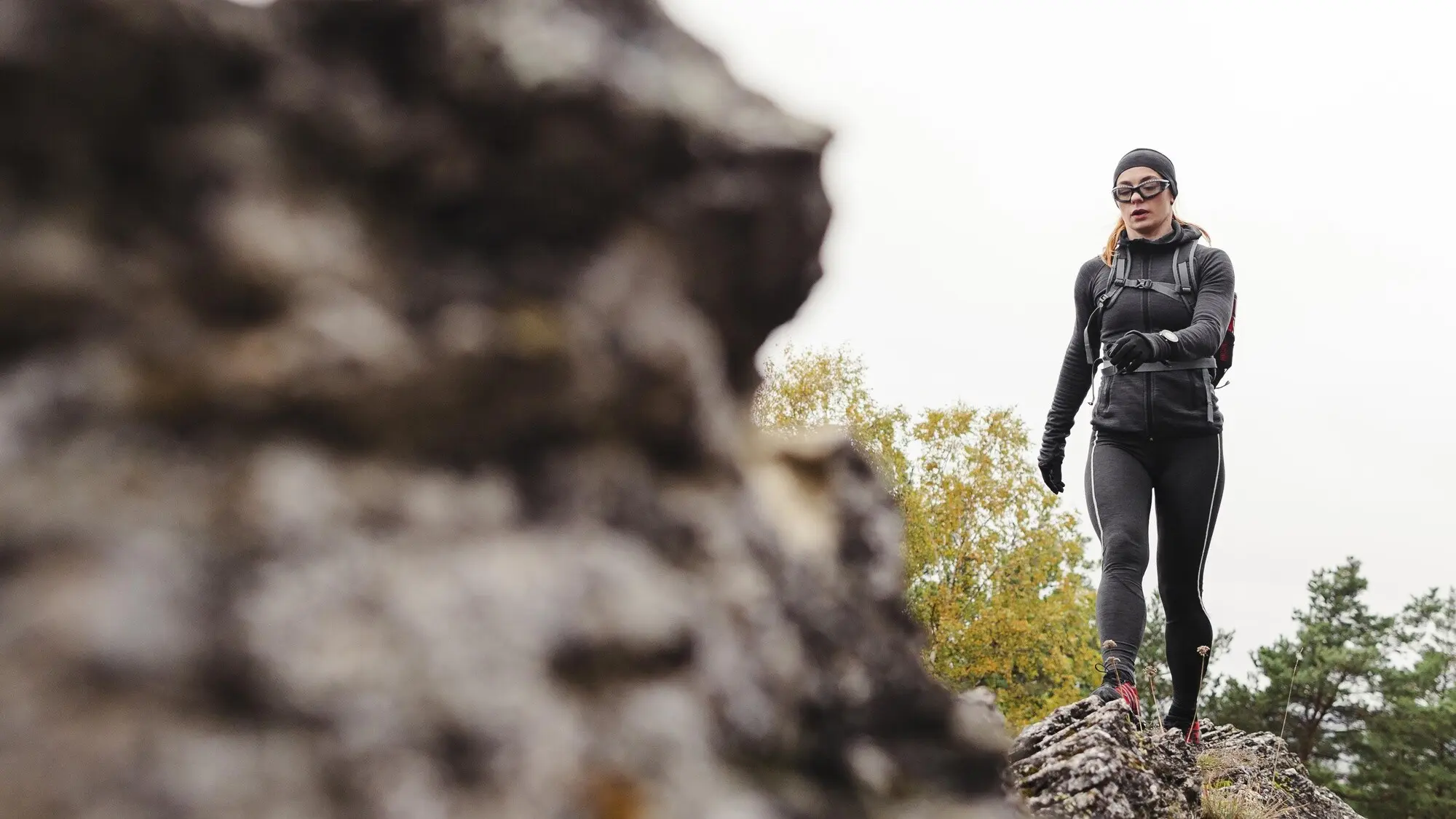
Today we set out to discover Historic Mill Channels and the Brookside Paths That Follow Them in the Peak District, following quiet goits, mossy leats, and riverside footways where water once powered industry. Expect stories of ingenuity, gentle gradients, hidden weirs, and welcoming villages, plus practical tips to walk respectfully, notice more, and share your own discoveries with fellow wanderers.

Where Stones Met Water: Origins of Power

Across these hills, medieval millers carved leats that coaxed streams into purposeful flow, turning grain to flour, fleece to cloth, and ore to promise. Paths beside these channels began as workmen’s routes, later inviting curious feet. Listen for the softened rush below roots, feel damp air rise from cut banks, and picture gears humming beneath timbered roofs.

Tracing Leats by Sound and Moss

You often find a leat not by sight, but by a hush different from open river chatter, and by moss that grows thick where spray once drifted. Look for sudden right-angled corners in embankments, low retaining walls, or sluice slots. Follow these clues patiently, letting water’s logic draw your steps between sycamore shade and sunlit meadow edges.

From Handwork to Wheels and Gears

Before wheels, hands labored alone; then water multiplied strength with undershot and breastshot designs, turning cogs that never tired. Imagine the relief of shoulders and backs when streams took the strain. Children carried messages, blacksmiths sharpened teeth, and millers tended gates, shaping a daily rhythm that our modern footpaths still seem to echo.

Cromford’s Water Web and Evening Footfalls

At Cromford, Richard Arkwright orchestrated channels, ponds, and sough-fed flows to spin cotton reliably, changing countless lives from 1771 onward. Follow the towpath by the canal, skirt the mill pond, and notice discreet culverts feeding wheelpits. Twilight brings reflections of brick and sky, while the steady geometry of weirs whispers how precision once governed every ripple.

Bentley Brook’s Restless Energy

Hear the brook’s urgency as it squeezes between gritstone walls, once guided by sluices to fall at perfect heights. Each terrace delivered power to the next, a cascade of borrowed force. Stand beside a ledge and picture a wheel turning, leather belts flicking, and fine spray lifting like breath from the valley’s industrious lungs.

Rusted Wheels Behind Ferns

Peer gently through foliage and you may glimpse ironwork reddened like autumn leaves. These remains are not relics to clutch, but teachers to observe. Count the spokes, trace the axle’s line, then shift your gaze to the path underfoot, realizing your steps are sponsored by centuries of careful craft and unglamorous, necessary maintenance.

Respecting Ruins and Staying on Paths

Conservation here means accepting distance so the valley endures for everyone. Fences protect fragile masonry and nesting creatures; boards keep boots from chewing soft ground. Walk with kindness, pocket your litter, and share photographs rather than shortcuts. The best souvenir is a clear memory and the promise to encourage others toward the same patience.

Between Litton and Cressbrook

The River Wye glides beneath high limestone and past mill terraces where Litton Mill and Cressbrook Mill once harnessed steady flow. Weirs lifted water into goits that hugged the bank like parallel thoughts. Today, footpaths weave under viaducts and along meadows, letting walkers reflect on hard histories, scenic recoveries, and the companionship of moving water.

Lathkill’s Crystal Runs and Old Workings

Lathkill Dale gleams with clarity, its springs fed by limestone mysteries and old soughs cut for lead. While not every channel turned a wheel, these waters share the language of engineering, persistence, and careful stewardship. Paths drift beside riffles and tufa dams, guiding conversations about resourcefulness, beauty, and the responsibility to tread lightly where history breathes.

River Derwent: Looms, Weirs, and Riverside Strolls

From Matlock Bath to Belper, the Derwent’s engineered elegance still frames proud factories and lush gardens. Weirs stabilize flow for turbines and once for wheels, while feeder channels slip behind walls. Public paths thread their margins, offering benches for stories, railings for reflection, and recurring chances to match your stride with the river’s measured determination.

Walking the Strutt River Gardens

In Belper, the River Gardens invite lingering gazes across calm water, once directed with exacting care for textile production. Families share picnics where workers once timed breaks to the mill bell. Read the landscape like a ledger: credit to ingenuity, interest paid in effort, and dividends returned today as restorative views and welcoming paths.
Counting Weirs from Milford to Belper

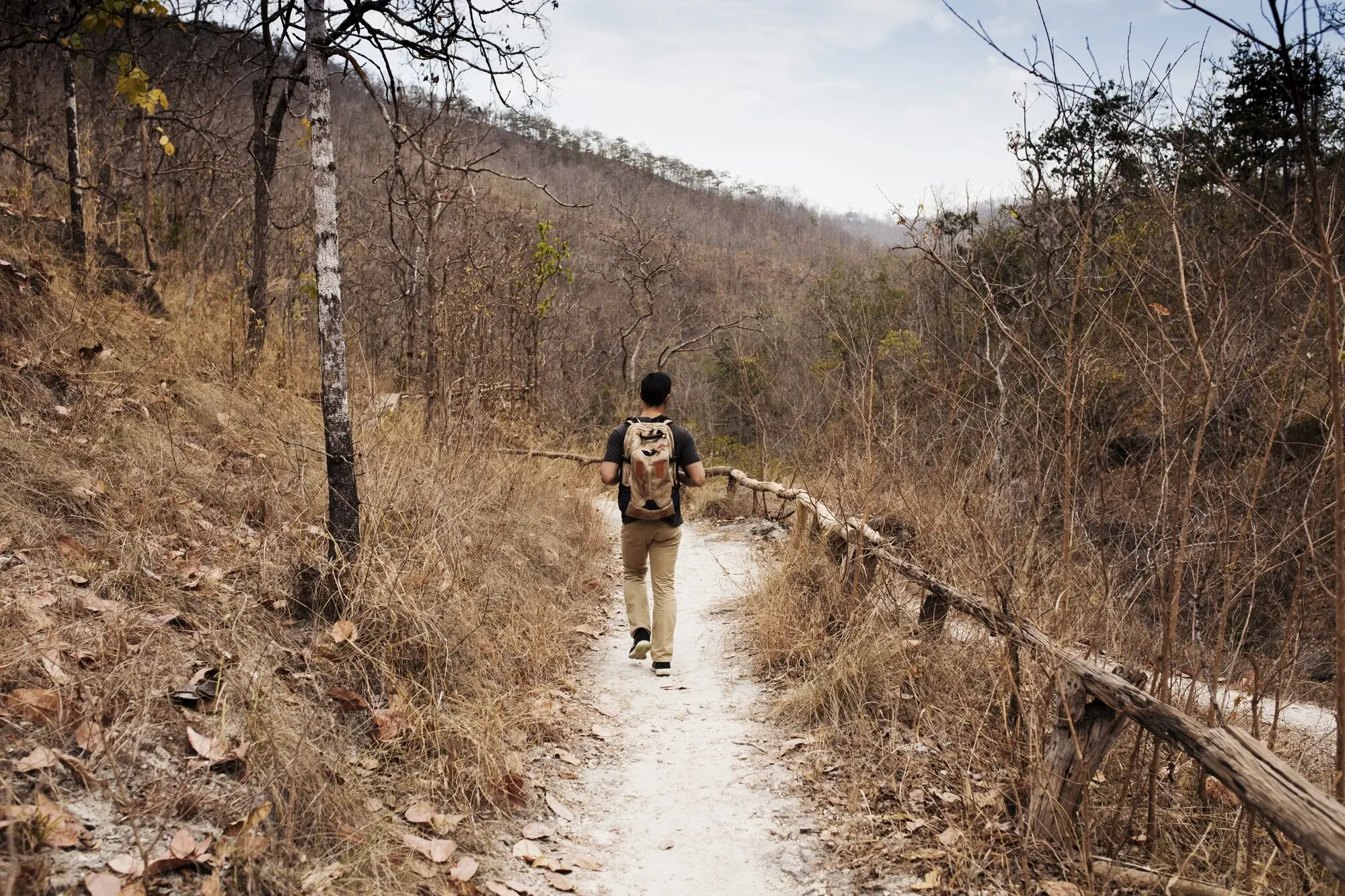
Take a quiet challenge: count weirs and note their shapes—broad chevrons, straight lips, scalloped backs. Each design solves a local puzzle of depth, gradient, and seasonal flow. Scribble observations, compare with friends, and notice how a simple game reveals the patient math that turned a lively river into dependable motive power without stealing its grace.
Nightfall Reflections beside East Mill

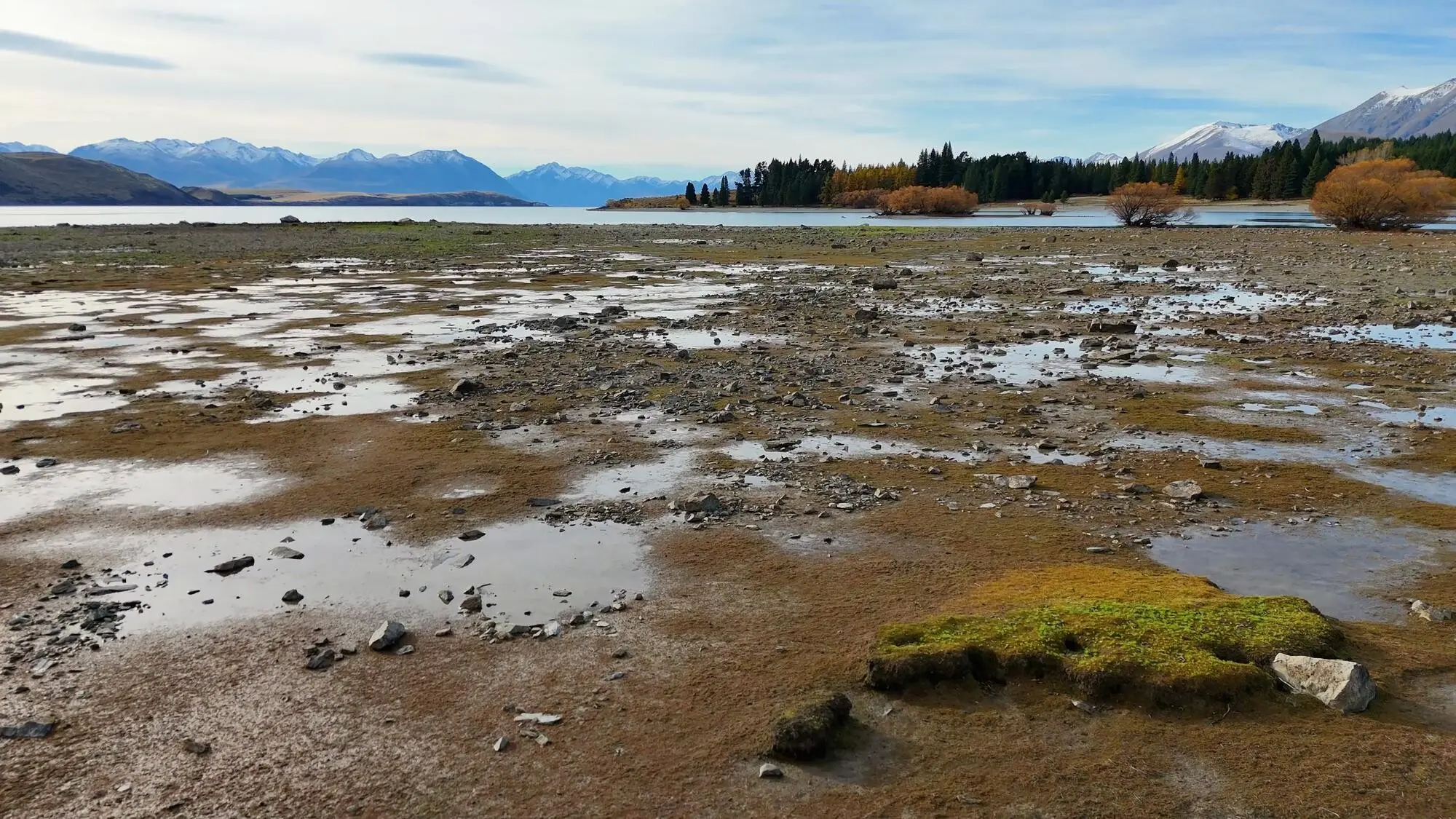
When evening wraps East Mill in copper light, the river gathers little fires of reflection. Strollers trade nods, dogs shake water from their coats, and history feels less distant. Share a photo, post your route, and invite others to meet you here, where working water once kept time and now keeps company with thoughtful footsteps.

Wayfinding, Seasons, and Kind Footsteps

Paths beside mill channels invite steady attention. Bring an Ordnance Survey map or trusted app, respect signage and conservation fencing, and plan for slick stone after rain. Notice kingfishers flashing, wild garlic scenting spring air, and frost etching sluice gates. Share your favorite segment in the comments, subscribe for fresh routes, and walk with gentle confidence.