Follow the Whispering Waters of the Peak District

Today we invite you to enjoy wildlife spotting on quiet streamside trails in the Peak District, moving softly beside limestone rivers and shady brooks. Expect dippers, kingfishers, dragonflies, and shy mammals, plus practical tips, safety wisdom, and ways to share your sightings with fellow wanderers and curious naturalists.

Dawn and Dusk Strategies

Pre-dawn hush lets kingfishers claim perches unseen, while dippers begin relentless dives from mossy stones. At dusk, Daubenton’s bats skim reflections and owls call from alder edges. Stand still, shield silhouettes with trees, and let minutes stretch until nervous ripples relax into ordinary, photographable rhythms.

Choosing Quieter Dales and Paths

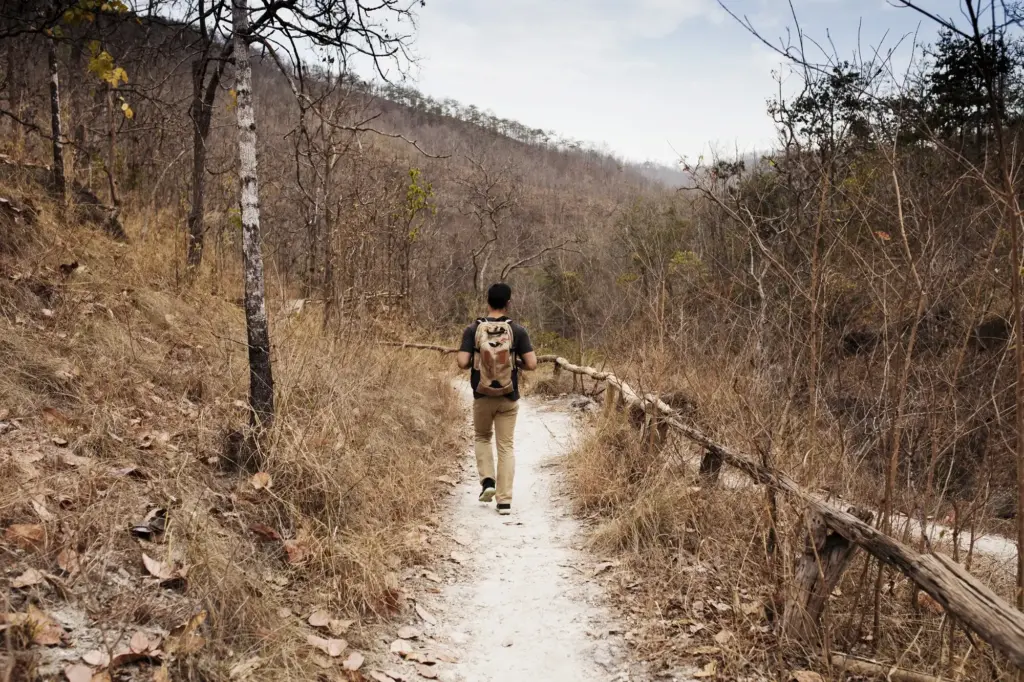
Seek upper Lathkill above Monyash, the gentler reaches of Bradford Dale, or shaded stretches of Wyming Brook outside peak hours. Avoid honeypots at midday. Midweek rambles, drizzle-kissed mornings, and winter sunshine give you space to listen, note movement, and approach respectfully without blocking narrow banks.

Weather Windows and Water Clarity

After rain, browner flows hide fish and make crossings tricky, but receding levels reveal tracks and fresh spraints. Bright sun demands polarizing filters; flat cloud flatters feathers. Watch forecasts, judge turbidity, and prioritize safe, steady footing over risky angles chasing fleeting splashes or dramatic leaps.

Quiet Gear for Clear Views

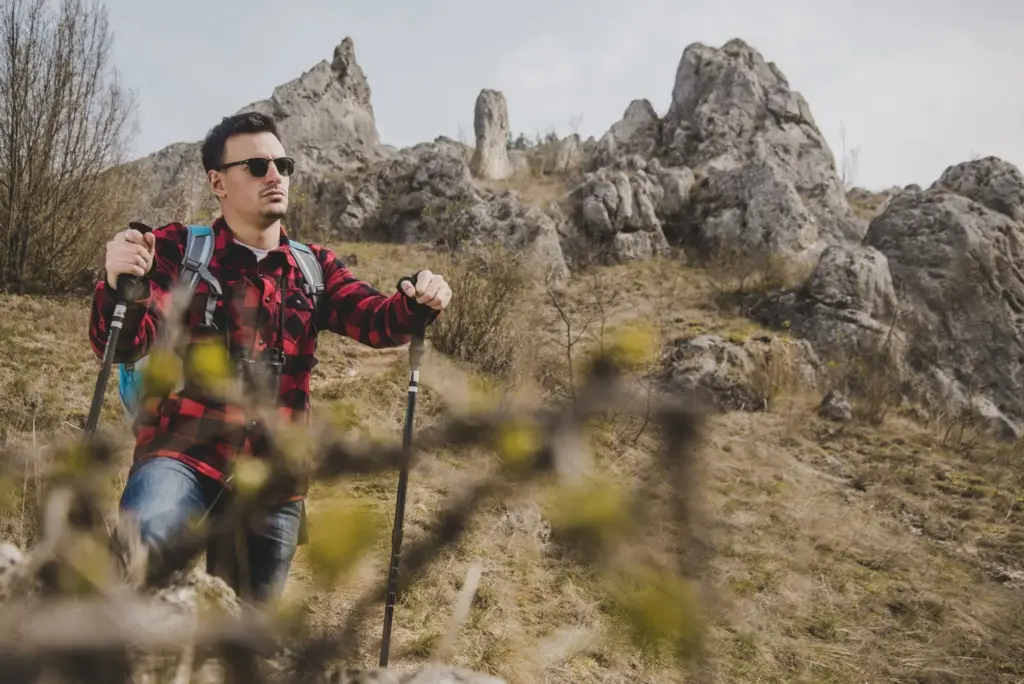
Good optics and silent habits turn brief glimpses into detailed memories. Choose compact 8×32 or bright 8×42 binoculars, waterproof boots that grip slime-slick stones, and layers that neither rustle nor shine. Keep phones on silent, carry a small notebook, and download offline maps to avoid anxious detours.

Tracks, Spraints, and Subtle Clues

Along sun-warmed rocks, otters leave sweet-scented spraints flecked with fish scales; water voles mark latrines near grazed lawns of nipped stems. Note slides, soft burrow openings, and V-shaped ripples crossing slack pools. Photograph signs, log dates and water levels, and report sensitively through local wildlife recording schemes.

Bird Language by Running Water

Listen for the dipper’s rattling song between dives, the grey wagtail’s thin contact notes, and the kingfisher’s piercing peep slicing upstream. Robins, wrens, and willow warblers stitch edges with melody. Identify patterns, then anticipate perches, keeping respectful distance while preparing still, deliberate focus and quiet breath.

Insects, Hatches, and Fish Behavior

When banded demoiselles hover over gleaming runs, trout rise to tidy rings, and swallows scissor low. Evening mayflies gather beneath bridges, lighting a brief carnival for bats and birds. Observe without wading; edges crumble. Note timings, weather, and pool depth to predict tomorrow’s aerial ballet.

Gentle Routes Beside Limestone and Grit

Lathkill Dale’s Clear Windows

Above Over Haddon, springs feed glassy reaches where dippers patrol gravel tongues and trout hang like punctuation. Keep well back from fragile margins; water voles sometimes graze sheltered lawns. Pause at footbridges, scan shadows under ledges, and let the river deliver moments without being hurried.

Bradford Dale’s Gentle Company

Between Youlgreave and Alport, level paths and stepping stones suit unhurried watching. Feeders near weirs attract finches and tits, while grey wagtails hunt along riffles. Respect anglers, give room at pinch points, and enjoy calm benches for sketching, noting species, and inviting children into attentive observation.


Chee and Monsal: Gorges in Motion

Towering walls, viaduct shadows, and echoing curves concentrate birds by bright seams of water. Explore upstream of Chee Tor for quieter corners, watch for herons commuting, and listen under bridges for bats at dusk. Keep torches dim and footsteps light to protect roosts and foraging lines.

Wild Neighbors and Gentle Manners

Meeting streamside residents is a privilege. Water voles require undisturbed banks, dippers nest in privacy, and kingfishers fiercely guard burrows. Rare otters pass silently. Observe, record, and retreat without altering behavior. Share sightings after leaving, blur sensitive locations, and support Derbyshire conservation groups working to keep these corridors alive.

Safety, Access, and Careful Footsteps

Respect rights of way, seasonal restrictions, and private land. Stepping stones submerge after heavy rain; riverbanks slip without warning. Keep dogs on leads March to July, carry a small first-aid kit, and tell someone your route. Follow Check, Clean, Dry to prevent spreading invasive hitchhikers between waters.