
Run the Quiet Lines of the Peak: Hidden Dales and Becks

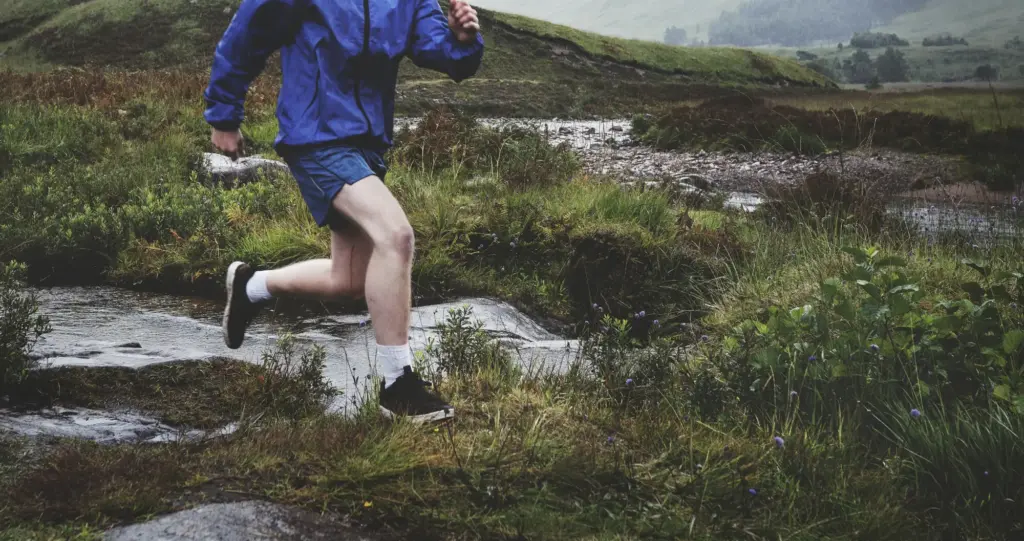
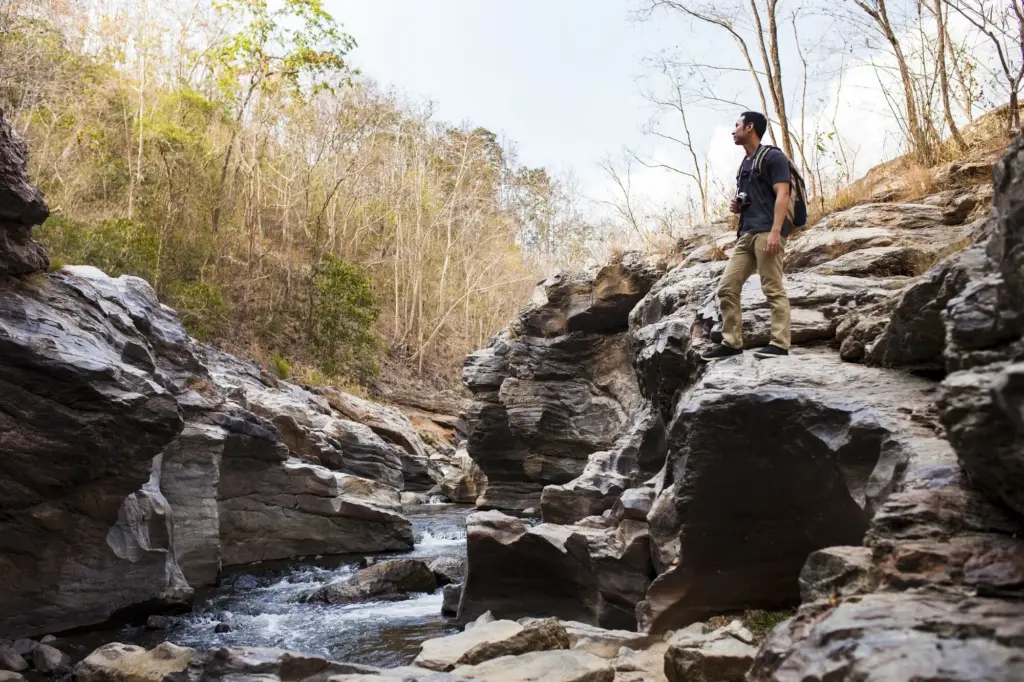
Set your stride to the music of water as we focus on trail running routes along lesser-known Peak District dales and becks. Expect limestone paths polished by centuries, gritstone tracks etched by weather, and hushed corridors where wagtails dart and curlews call. We will help you link tranquil valleys, read terrain, move safely beside streams, and discover routes that reward curiosity. Lace up, bring a map, honor the land, and come explore a gentler side of the Peaks where flow, solitude, and story meet.

Where Water Carves the Way

Maps That Reveal Hidden Lines

Carry Explorer OL24 for the White Peak and OL1 for the Dark Peak, and slow down when contour lines pinch near a beck. Green dashes hide permissive links that stitch farms, dale bottoms, and moor edges. Look for packhorse bridges, fords, and field-corner gates aligning like breadcrumbs. Cross-reference satellite imagery for faint trods, but trust the paper map and compass when mist or tree cover steals signal. Planning with care turns scattered segments into elegant, water-guided journeys.

Reading Limestone, Grit, and Bog

Limestone dales often offer firm bases, sudden polished steps, and narrow walled corridors that keep wind low but amplify echoes and moisture. Gritstone country trades rock gardens and peaty shelves for sandy grip and exposed edges. Boggy plateaus drain into steep cloughs where streams run flashy after rain. Your foot placement changes with geology: softer knees on limestone shelves, positive driving strides on grit, patient cadence through peat. Understanding these textures helps maintain rhythm, safety, and sustainable effort.

Timing Your Outing

Seasons sculpt these routes. Spring delivers lambing gates, protective ewes, and bird breeding restrictions on some open moors, while summer reduces flow in becks but raises nettles and bramble. Autumn paints limestone walls gold and lifts ankle-turning leaf fall, and winter adds icy steps and hidden fords. After heavy rain, streams rise quickly and paths disappear into waterlogged turf. Choose dawn for tranquility and better wildlife sightings, but pack light layers, headlamp, and a realistic turnaround time.

Ashford Dale to Sheldon Loop

Start near Ashford-in-the-Water, touch Ashford Dale’s cool floor, then climb toward Sheldon on a rising green lane that narrows to old cart grooves. Link field-edge trods with a permissive path toward Deep Dale’s rim, savoring balcony views. Drop carefully on limestone steps, test traction, and tiptoe across little bridges before rolling back by pasture. About twelve kilometers with modest ascent, this circuit mixes runnable meadows, staccato limestone, and a handful of stiles that keep rhythm playful yet purposeful.

Deep Dale with a Horseshoe Surprise

Deep Dale tightens suddenly, twisting between pale walls and pockets of scree. Thread its quieter spur into Horseshoe Dale, where the world hushes beneath ash and hawthorn. Expect short rocky scrambles, slippery ledges after showers, and chorus lines of wagtails near shallow pools. A fourteen kilometer out-and-back with variants, it demands deliberate feet and rewards with hidden benches of grass for breath-catching views. Carry poles if wet, and watch for conservation notices protecting rare plants on cliff ledges.

Bradwell Brook to Abney Clough Linkup

Begin by Bradwell Brook, where mills once hummed and trout flick shadows beneath footbridges. Climb hedged lanes, then stitch bridleways skirting Brough to reach the airy rim above Abney Clough. Descend on sheep-worn lines, crossing the beck where stones permit, and climb again toward Hope Cross views before looping home. Eighteen kilometers blend beckside calm with open skyline jogging. Check access and seasonal notices, respect walls, and close gates gently. When streams swell, favor higher crossings and plan alternatives.

Southern Limestone Side Valleys Worth Your Footsteps

Upper Lathkill Springs and Cales Dale Steps

Begin near Monyash where the Lathkill is often just a hush beneath limestone. Jog gentle meadow lines to reach the springs, then tiptoe into Cales Dale, where narrow rock stairs demand careful foot angles and steady breathing. Return on higher field margins flanked by walls laced with ferns. About thirteen kilometers, mixed surfaces, and surprise shade pockets that keep summer runs cool. Observe signage, protect sensitive habitats, and yield to walkers on constricted steps where two-way passage requires patience and smiles.

Bradford Dale Dawn via Gratton’s Quiet Walls

Set off from Youlgreave at first light, following the gentle ribbon of Bradford Dale past kingfisher flashes and mirror-still pools. Climb toward Gratton Dale along field corners that fold peacefully into the valley. Expect steady gradients, occasional limestone slicks, and dreamy stepping stones. Descend again to the water, looping upstream on a meadow side that invites long, even strides. Roughly fifteen kilometers, perfect for rhythm work and reflection. Keep noise low, dogs leashed, and eyes open for dippers on patient rocks.

Long Dale’s Prairie Path and Moorland Return

Long Dale carries a broad, almost prairie-like feel rare in the White Peak. Cruise its grassy track, then break onto higher lanes toward Middleton Moor for skylark soundtracks and big horizons. Connect quiet byways and bridleways to form a sixteen kilometer loop with minimal technicality yet generous solitude. Subtle cambers test ankles, and shallow fords surprise after rain. Mind livestock, give wide berth to calves, and avoid cutting corners along wall bases. The simplicity invites effortless, durable miles.

Grit, Cloughs, and High Moor Edges

Where the Dark Peak gathers water, cloughs slice ridges and becks thread boulder gardens shaped by storms. Here, peat springs can soak shoes unexpectedly, and gritstone edges open long sightlines for confident pacing between sheltered streambeds. Choose lines that drift from crowd magnets into companionable silence: lesser-trodden gullies, low terraces under heather, and sheep tracks that read like sketches in sand. Expect quick weather turns, playful scrambling, and the humbling presence of sky, stone, and persistent water.

Respecting Access, Farms, and Fragile Dales

Use legal rights of way and open access land responsibly, checking local notices for diversions or conservation closures. Close gates gently, give space to livestock, and never trample wall bases or cut new lines along stream margins. In narrow dales, step aside for walkers, share smiles, and rein in pace. Keep dogs on leads near lambs and birds. If a field feels crowded with cattle, backtrack calmly and reroute. Your courtesy builds trust that keeps these quiet corridors welcoming.

Weather Windows, Stream Levels, and Exit Plans
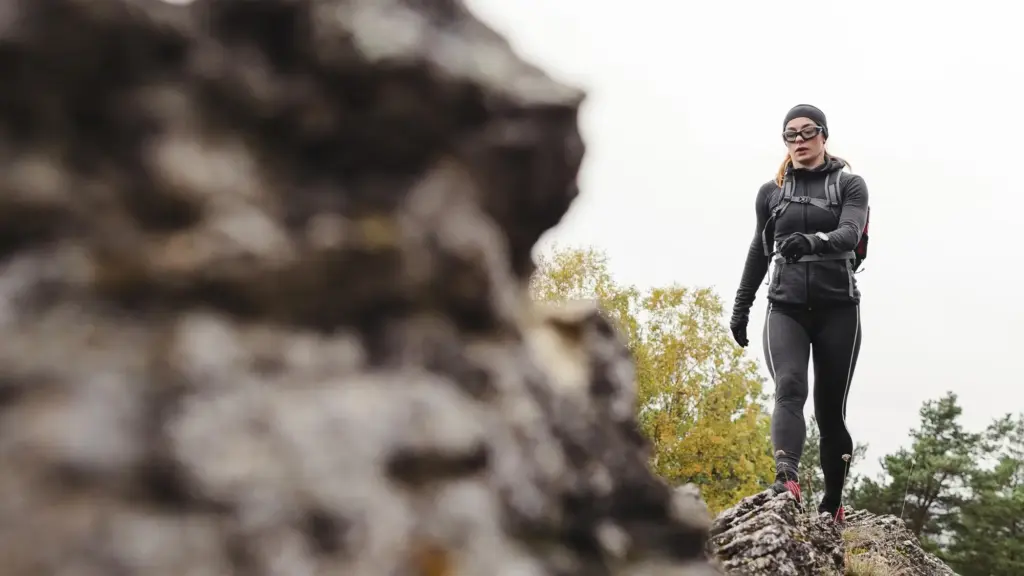
Check forecasts from multiple sources, remembering that moor edges whip wind and beck bottoms trap cold damp air. After heavy rain, expect sharp stream rises and slippery fords; bail to bridges or high ground without hesitation. Carry a map, compass, and simple bearing plans for mist. Pack a foil blanket, gloves, and a small torch, even on bright mornings. Share your route, set a turnaround time, and build margins into nutrition and layering. Conservatism in cloughs is courageous and wise.

Wildlife Awareness from Wagtails to Ring Ouzels
These runs thread living habitats: dippers bobbing on polished stones, wagtails skimming riffles, and ring ouzels haunting broken edges in spring. Keep voices low, avoid lingering near nests or cliff ledges, and choose higher lines when birds flare repeatedly. In lambing season, give ewes space; in hot spells, let thirsty dogs drink away from delicate aquatic plants. Brush for ticks afterward and avoid entering caves or mines. The memories are deeper when your presence is felt only as respectful silence.

Join the Journey and Share Your Lines

Drop a note about a slick limestone step that surprised you, a stile hidden by summer nettles, or a kind farmer who pointed a safer crossing after rain. Describe the sound of water during your most effortless kilometer. Map mistakes help others choose better, and small victories inspire early alarms. Add photos without geotagging sensitive spots, mention closures encountered, and cheer for beginners finding courage. Empathy fuels endurance communities, and your reflections may guide someone’s best run of the year.
Share a GPX with concise waypoints marking water sources, tricky fords, and reliable escape lines. Note surface changes, livestock patterns, and bird seasons affecting access. Keep descriptions clear, distances honest, and ascent figures checked. We curate submissions into a searchable library organized by effort, terrain, and serenity. If a section seems over-loved, we may pause its highlight to let paths recover. Responsible sharing preserves character while broadening opportunity, giving newcomers a safe, respectful entry into these hidden, water-guided paths.
Join Beck to Beck Week, stacking short valley runs on consecutive dawns to build economy without exhaustion. Try the Dawn Dales Series, tracing three limestone loops before breakfast across one month. Or attempt the Limestone and Grit Double, linking a sheltered dale with a breezy edge in a single moderate outing. Register interest, invite friends, and report learnings afterward. We will post seasonal prompts, safety reminders, and conservation notes so collective momentum strengthens both legs and landscapes beautifully.